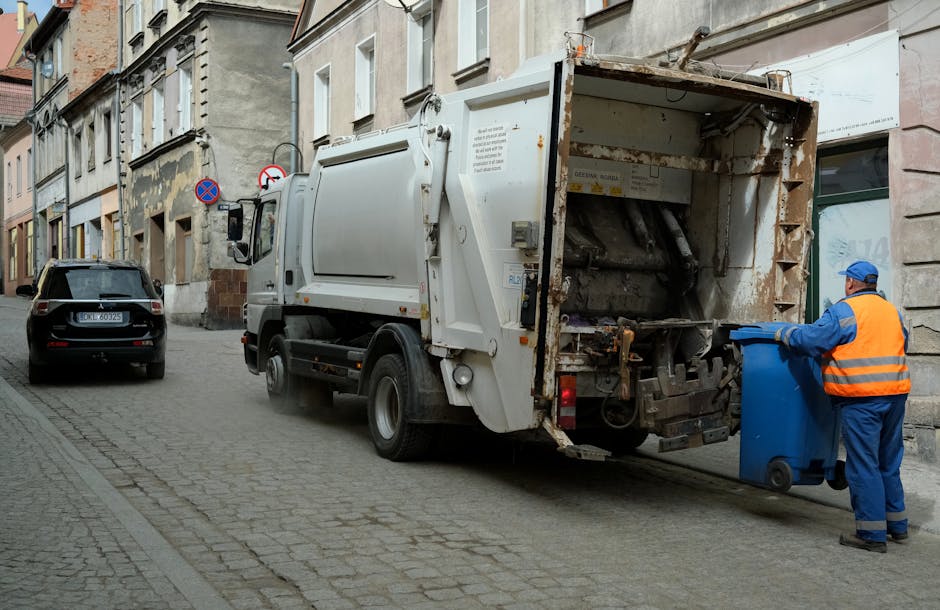
Emergency rubbish pickup for Oval station flats
Posted on 29/06/2026
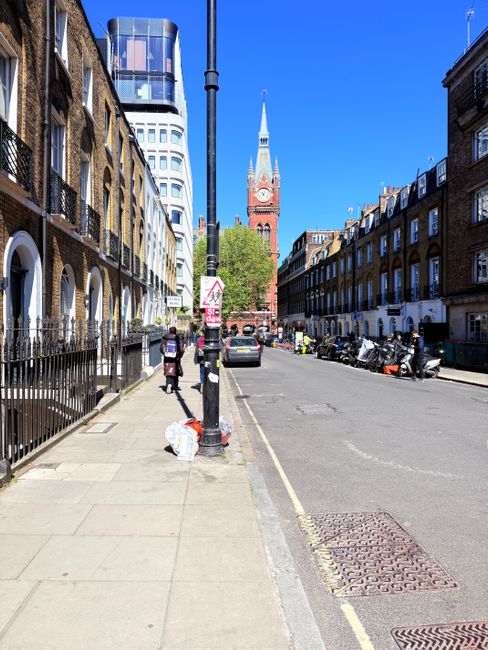
If you live in a flat near Oval station, you already know how quickly rubbish can become a problem. One missed collection, one bulky item left in a hallway, or one rushed move-out can turn a tidy building into a messy one almost overnight. Emergency rubbish pickup for Oval station flats is there for those moments when waiting is not really an option. Maybe you have an end-of-tenancy handover at 8am. Maybe the bin store is overflowing. Maybe there is a broken wardrobe, a sofa blocking the lift, or bags stacking up outside a flat on a busy evening. Whatever the trigger, the goal is the same: get the waste removed quickly, safely, and without creating more hassle for you or your neighbours.
This guide walks through how emergency rubbish removal works in flat blocks around Oval, what to expect on the day, how to avoid common mistakes, and how to make a fast decision without feeling rushed. If you are weighing up your options, it also helps to understand the wider local context, from building access to recycling expectations and the practical realities of shared housing. For a broader sense of nearby neighbourhood living and property demand, some readers also find it useful to look at the charm and convenience of Kennington and whether Kennington is a good place to settle.
Why Emergency rubbish pickup for Oval station flats Matters
Flat living makes rubbish problems feel bigger, faster. In a house, you can often tuck a bag out of sight for a while. In a block of flats, especially near a station like Oval where people are moving in and out constantly, even a small pile becomes a shared issue. Hallways narrow. Bin stores fill up. The smell creeps in. Someone leaves a mattress in the wrong place and, suddenly, the whole building notices it. Not ideal.
That is why emergency collection matters. It is not just about convenience. It protects access routes, reduces complaints between neighbours, and helps keep landlords and managing agents out of avoidable trouble. For renters, it can be the difference between a smooth deposit return and a stressful argument about leaving waste behind. For owners, it can stop a minor issue becoming a building-management headache.
Oval has a mix of older conversions, newer apartment blocks, and busy streets where parking is often tight. That means rubbish removal needs a bit more planning than a standard suburban pickup. You cannot always rely on a bin lorry being available at the right time, and you definitely cannot assume that a bulky item can just be left downstairs "for later". In real life, later often becomes everyone else's problem.
Expert summary: In a flat block, the real value of emergency rubbish pickup is speed plus control. You want the waste gone, yes, but you also want minimal disruption, clear access, and proper disposal. That combination is what keeps a small mess from turning into a building-wide issue.
It also matters from a community angle. Shared spaces look better and feel safer when they are kept clear. And let's face it, nobody enjoys stepping past leaking bags on the way to the station in the morning.
How Emergency rubbish pickup for Oval station flats Works
Emergency rubbish collection is usually a same-day or next-available service designed for urgent removals. The process is fairly straightforward, but the details matter in flat buildings because access, stairs, lift use, and loading points can all affect timing.
In a typical emergency booking, you explain what needs removing, roughly how much there is, and where it is located. The provider then works out the right size of team and vehicle. For a single sofa and a few bags, that might be quick. For multiple flats, a post-refurbishment clear-out, or an overloaded bin store, the load might need more careful coordination. If you need a broader clearing service rather than just one-off rubbish pickup, waste clearance support in Kennington can be a useful comparison point for understanding the scope of removal work.
On arrival, the team usually assesses the access route, confirms the items, and removes the waste from the flat, corridor, or communal area. In an apartment building near Oval station, they may need to work around concierge rules, lift restrictions, or timed access windows. That is normal. Good providers plan for it rather than pretending everything is a simple driveway job.
After collection, the waste should be taken for sorting, reuse where possible, and responsible disposal. For mixed loads, some items may be separated into recyclable streams. If you are dealing with furniture or appliances, the right handling matters even more. You can learn more about related disposal options through furniture removal in Kennington and white goods and appliance disposal.
One thing people often miss: emergency does not mean careless. The best services still ask the right questions, handle items safely, and leave the common areas clean. Fast is good. Fast and sloppy is not.
Key Benefits and Practical Advantages
The first benefit is obvious: speed. When rubbish is causing a problem, waiting days can feel endless. A prompt pickup restores order quickly and gives you breathing room. That matters whether you are a tenant trying to hand back keys, a landlord preparing a flat, or a managing agent trying to keep residents happy.
Then there is the benefit of avoiding conflict. Shared buildings are sensitive places. One person's "I'll sort it later" can become another person's complaint to the building manager. Emergency pickup helps resolve the issue before neighbours start sending messages or, worse, leaving notes on the noticeboard. We have all seen that cycle. It escalates fast.
There is also a safety angle. Loose rubbish in communal areas can block fire routes, attract pests, or create trip hazards. Bags near entry doors can make a stairwell feel cramped and messy. Bulky items in corridors are particularly awkward because they affect movement and can be difficult to shift without damage. A proper collection reduces those risks quickly.
Another practical advantage is consistency. Rather than relying on residents to make multiple trips to a distant disposal point, one collection deals with the lot in a controlled way. That saves time and usually reduces the chance of items being left in the wrong place halfway through the job.
For many people, the biggest relief is simply mental. Once the clutter is gone, the flat feels manageable again. You can think clearly. You can clean properly. You can get on with the rest of your day. Sounds small, but it is not, really.
Who This Is For and When It Makes Sense
Emergency rubbish pickup for Oval station flats is useful for a wide range of people. It is not just for dramatic clear-outs. In fact, the most common requests are often the ordinary, inconvenient ones that happen at the worst possible time.
- Tenants who need to clear waste before an inspection, checkout, or move-out.
- Landlords dealing with items left behind after a tenancy ends.
- Managing agents handling communal rubbish, blocked bin stores, or abandoned furniture.
- Homeowners who need fast clearance after delivery delays, DIY work, or a sudden room refresh.
- Flat sharers where everyone assumed someone else would take the bins out. Classic.
- Small businesses operating from residential flats that need discreet, urgent removal of packaging, old stock, or office waste.
It makes sense when the waste is affecting living conditions, building access, or a deadline. A landlord handover tomorrow morning? Yes. A bin room that smells and is starting to attract flies in warm weather? Absolutely. A flat packed with moving boxes, broken furniture, and leftover packaging after a weekend move? Also yes.
It may be less suitable if the waste is non-urgent and can wait for a scheduled slot, especially if you are trying to reduce cost. That is where a standard rubbish collection can be more economical. If the job is bigger or more routine, regular rubbish collection in Kennington may be the better fit.
Truth be told, the key question is not "Do I need removal?" It is "How disruptive is this right now?" If the answer is "quite disruptive", emergency pickup is probably justified.
Step-by-Step Guidance
If you want the fastest and cleanest result, it helps to handle the booking in a simple sequence. Here is a practical way to approach it.
- Identify exactly what needs removing. Separate bags, bulky items, appliances, and anything unusual. The more precise you are, the faster the service can be arranged.
- Take a few clear photos. Photos help estimate volume and access issues. A tight hallway shot can be more useful than a long explanation.
- Check the access route. Is there a lift? Are there steps? Is there a narrow corridor or a locked entrance? Mention anything that could affect movement.
- Confirm building rules. Some blocks have specific collection windows, loading bay restrictions, or concierge procedures. Better to know early.
- Ask what happens with mixed waste. If you have furniture, cardboard, electronics, or general rubbish together, the provider should be able to explain how it will be handled.
- Book the earliest sensible slot. If time matters, do not overcomplicate it. A delay of a few hours can be enough to make the difference.
- Prepare the items safely. Put loose rubbish in bags, flatten cardboard if possible, and keep sharp items separated. Small effort, big payoff.
- Clear a path to the waste. In a flat, access is everything. A tidy route makes the collection faster and safer.
- Confirm completion and disposal details. Ask for a simple explanation of what has been taken and what will happen next.
If you are unsure how much work is involved, start with a broader overview of available help through the services overview. That can make it easier to match the job to the right type of removal.
A small but useful tip: if you are moving out, do the rubbish check before the final clean. It is much easier to vacuum a clear room than to clean around a pile of abandoned packaging. Sounds obvious, but people forget it at 7pm when they are exhausted.
Expert Tips for Better Results
Over the years, one thing becomes very clear: the best emergency pickups are usually the ones where the customer has done a little preparation. Not loads. Just enough.
1. Group similar items together. Put bags in one spot, furniture in another, and small loose bits in a box or sack. This speeds up handling and reduces the chance of something being missed.
2. Be honest about access. A narrow stairwell or broken lift does not make the job impossible, but it does change the plan. The earlier you mention it, the smoother the visit.
3. Keep valuables and private paperwork separate. Emergency clear-outs can involve shared areas or left-behind items. It is worth doing a quick sweep for passports, bank letters, keys, and personal records.
4. Think about neighbours. If you can, choose a collection time that causes less disturbance. Early morning can be ideal in some buildings; in others, a mid-afternoon slot works better. Depends on the block, really.
5. Ask about recycling before you book. A thoughtful provider should be able to explain how items are sorted and handled. If sustainability matters to you, that conversation is worth having. You can also look at recycling and sustainability practices to understand the broader approach.
6. Avoid mixing truly hazardous items with general rubbish. Paints, chemicals, sharps, and certain electrical issues may need special handling. Do not assume everything can go in one pile.
7. Keep documentation if the waste came from a tenancy or managed property. A simple record of what was removed can save time later if questions come up. Not glamorous, but handy.
These are small habits, but they make an emergency service feel calm instead of frantic. Calm is good. Calm makes everything easier.
Common Mistakes to Avoid
The biggest mistake is waiting too long. People often spot the issue early, then hope it will sort itself out. It rarely does. A bag in the hallway today becomes a complaint tomorrow, and by the weekend it may be in the way of cleaners, residents, or building staff.
Another common problem is underestimating volume. Two bags and a chair can become a van full once everything is gathered properly. In flat clearances, waste tends to hide in cupboards, on balconies, and behind doors. A quick visual guess is often too optimistic.
People also forget access restrictions. A collection booked without mentioning stairs, parking limits, or concierge rules can run late or require a revised plan. That is avoidable if you give complete information at the start.
Then there is the hidden-charge issue. Emergency work should be transparent about timing, labour, and disposal. If anything feels unclear, ask for a breakdown. There is a useful article on hidden charges to avoid with rubbish collection if you want to understand the usual traps.
One more mistake: assuming all waste is the same. It is not. A mattress, a fridge, garden waste, builder's rubble, and general black bags all follow different handling expectations. If you can separate them, do it.
And yes, the classic one: leaving it all outside the flat "just for the morning" without telling anyone. In a busy building, that often means the item sits there all day looking increasingly tragic. Not worth it.
Tools, Resources and Recommendations
You do not need a big toolkit to organise emergency rubbish pickup, but a few simple things help a lot.
- Your phone camera for quick photos of the waste and access route.
- Sticky notes or labels if you need to mark items that should stay or go.
- Heavy-duty bags and tape to secure loose rubbish before collection.
- Measuring tape if you need to estimate bulky item size, especially for furniture and appliances.
- Building instructions or concierge notes if the block has specific rules for visitors or collections.
In terms of service choice, it helps to compare emergency pickup with standard clearance and planned disposal. If you are handling a flat packed with mixed items after a move, house clearance support may be more suitable than a simple one-off uplift. If it is just a sofa, a broken bed frame, or a couple of bulky bits, furniture disposal is often the neatest fit.
If the waste is more routine household clutter, domestic waste collection can be a straightforward option. For larger mixed jobs, the clearer route is usually a broader waste disposal service.
And if you are comparing providers, pricing transparency matters. Have a look at pricing and quotes before you commit, because a rushed decision is still a decision. You just want it to be a good one.
Law, Compliance, Standards, or Best Practice
Even when a job is urgent, the waste still needs to be handled properly. In the UK, anyone taking away waste commercially should be able to demonstrate the right waste carrier compliance. That is not a decorative detail; it is a basic trust signal. If a provider cannot explain how the waste will be transported and processed, that is a red flag.
For residents and property managers in flat blocks, best practice is usually simple: keep shared areas clear, avoid fly-tipping, separate obvious recyclables where practical, and use a contractor who can show they work lawfully and safely. If an item is electrical, sharp, heavy, or potentially hazardous, it should be treated with care rather than guessed at.
Local building rules matter too. Many apartment blocks have their own requirements around access, lift use, loading zones, and dumping in communal bin areas. Those are not optional just because the situation is urgent. In practice, the smoothest jobs are the ones where everyone knows the rules before the van arrives.
If you are choosing a provider, look for clear statements on safety, insurance, payment security, and terms. Those pages tell you a lot about how the company operates. Relevant pages to review include waste carrier licence and compliance, insurance and safety, payment and security, terms and conditions, and privacy policy.
One subtle but important point: good compliance is often invisible when things are going well. That is the sign of a proper process. No drama, no uncertainty, no weird surprises. Just a clean pickup and a tidy finish.
Options, Methods, or Comparison Table
When rubbish needs moving from an Oval station flat, you usually have a few possible approaches. The best one depends on urgency, volume, and how much access you have. Here is a simple comparison to help.
| Option | Best for | Strengths | Limitations |
|---|---|---|---|
| Emergency rubbish pickup | Urgent clear-outs, blocked spaces, imminent move-outs | Fast response, minimal waiting, practical for flats | Can cost more than a scheduled collection |
| Standard rubbish collection | Non-urgent household waste | Usually more flexible and budget-friendly | Not ideal if you need same-day relief |
| Furniture removal | Sofas, beds, wardrobes, tables | Good for bulky single items or small sets | Not always enough for mixed waste |
| House or flat clearance | Whole-room or full-property cleanouts | Best for larger loads and end-of-tenancy jobs | Can be more involved than a simple pickup |
| Skip hire | Longer projects with space for a skip | Useful for ongoing work | Often awkward for flats and may involve permit issues |
For many Oval flats, emergency collection beats skip hire simply because space is limited. A skip outside a block is rarely the easy answer people imagine. If you want to understand the permit side better, skip permits for rubbish skips in SE11 is worth a read.
If your rubbish issue is connected to a wider local pattern, you may also find the council-side overview useful through Lambeth Council rules for rubbish disposal. That can help you avoid conflicting expectations between residents, agents, and contractors.
Case Study or Real-World Example
Picture a fairly typical situation. It is late afternoon on a weekday, just after a tenant has moved out of a one-bedroom flat near Oval station. The place is mostly empty, but there is still a broken chest of drawers, several bags of general waste, a dismantled desk, and a few cardboard boxes that did not fit in the building's bin store. The landlord's cleaner is due the next morning, and the inventory clerk wants clear access. Not a disaster, but close enough to be annoying.
The tenant sends a few photos, mentions the lift is small, and says the building has restricted access after 6pm. A sensible provider would not just say "no problem" and hope for the best. They would plan the collection for a usable window, bring the right team size, and confirm the load type before arrival.
On the day, the waste is removed from the flat in one visit. The team checks the route first, uses the lift carefully, and leaves the hallway clear. The cleaner can start on time the next morning. The landlord gets a tidy handover. The tenant avoids a messy final argument over leftover rubbish. That is the sort of outcome people are really paying for.
There is nothing dramatic about it, which is kind of the point. The best emergency pickups feel almost boring once they are done. The mess is gone, the building is calm again, and everyone gets on with their day.
Practical Checklist
Use this checklist before booking emergency rubbish pickup for an Oval station flat:
- List every item that needs removing.
- Separate bulky items from loose waste.
- Take photos of the waste and access route.
- Note stairs, lifts, parking, and entry restrictions.
- Check whether the building has a bin-store or collection window rule.
- Keep personal documents and valuables out of the pile.
- Ask about recyclable materials and special items.
- Confirm timing, pricing, and any access charges up front.
- Clear a path through the flat and communal areas.
- Make sure any fragile or sharp items are safely contained.
- Keep a quick record of what was removed, especially for tenancies or managed flats.
If you want a fuller picture of how the business operates before you book anything, the pages on about us and services overview are helpful starting points. They show the sort of standards you should expect, even in a hurry.
Get a free quote today and see how much you can save.
Conclusion
Emergency rubbish pickup for Oval station flats is about more than removing a few bags or hauling away a sofa. It is about restoring order fast in a place where shared access, neighbours, and time pressures all matter. Flats are different from houses. The logistics are tighter, the stakes feel higher, and the margin for awkwardness is smaller.
That is why the best approach is simple: be clear about what needs removing, mention access details early, and choose a provider who understands flat blocks, compliance, and safe handling. Do that, and a stressful rubbish problem becomes a manageable one. Quite often, that is all people really need.
And when the hallway is clear again, the bin store is under control, and you can hear the lift doors shutting without dread, it feels like a proper reset. A small win, but a good one.