Kennington Park bulky waste disposal and garden rubbish tips
Posted on 28/05/2026
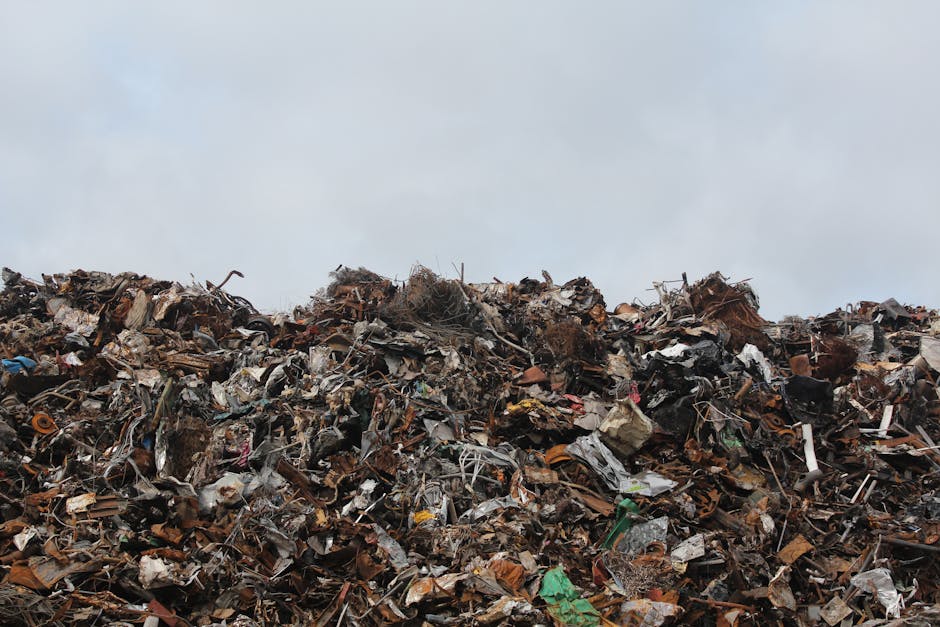
Kennington Park Bulky Waste Disposal and Garden Rubbish Tips: A Practical Local Guide
If you have a broken wardrobe by the hallway, a tired sofa that has seen better days, or a pile of hedge cuttings sitting in the corner of the garden, you are not alone. Kennington homes throw up all sorts of awkward waste jobs, and the tricky bit is usually not the lifting - it is knowing the cleanest, safest, and most sensible way to deal with it. This guide to Kennington Park bulky waste disposal and garden rubbish tips is designed to help with exactly that: less confusion, fewer wasted trips, and a much smoother clear-out.
Whether you are tidying after a weekend in the garden, clearing a flat before new furniture arrives, or simply trying to stop bulky clutter taking over the place, the right approach can save time and avoid hassle. Truth be told, a little planning goes a long way.
Table of Contents
- Why Kennington Park bulky waste disposal and garden rubbish tips Matters
- How Kennington Park bulky waste disposal and garden rubbish tips Works
- Key Benefits and Practical Advantages
- Who This Is For and When It Makes Sense
- Step-by-Step Guidance
- Expert Tips for Better Results
- Common Mistakes to Avoid
- Tools, Resources and Recommendations
- Law, Compliance, Standards, or Best Practice
- Options, Methods, or Comparison Table
- Case Study or Real-World Example
- Practical Checklist
- Conclusion
- Frequently Asked Questions
Why Kennington Park bulky waste disposal and garden rubbish tips Matters
Bulky waste is not the same as your usual kitchen bin bag. It includes large items that are awkward to move, difficult to store, and often impossible to squeeze into ordinary collections. Think beds, mattresses, wardrobes, dismantled shelving, old white goods, broken outdoor furniture, branches, turf, soil, and bags of green waste that keep multiplying after a weekend tidy-up.
In a place like Kennington, where many homes are compact, access can be tight and storage space limited. A single bulky item can become a real nuisance very quickly. A few sacks of hedge trimmings might not sound like much, but after pruning a front garden or cutting back a small overgrown patch, the volume can surprise you. And let's face it, nobody wants a damp heap of leaves sitting around for days.
That is why smart disposal matters. Good planning helps you:
- keep pathways, entrances, and shared spaces clear
- avoid fly-tipping risks and neighbour disputes
- reduce manual handling problems
- separate recyclable material from general waste
- get the job finished without multiple trips
There is also a practical side to this. If you are preparing a property for sale, letting, renovation, or an event, clutter quickly changes how a space feels. A cleared garden looks bigger. A room without an old sofa feels lighter. Small change, big difference.
For readers who want a broader view of local options, the services overview is a useful starting point, especially if your waste problem is mixed rather than neatly one-category-or-another.
How Kennington Park bulky waste disposal and garden rubbish tips Works
At a practical level, bulky waste disposal and garden waste removal usually follow the same basic rhythm: sort, prepare, collect, and process. The details vary depending on the item type, how much you have, and whether the waste can be reused, recycled, or needs specialist handling.
Typical bulky waste
- Furniture such as sofas, chairs, tables, wardrobes, bed frames
- Domestic items like rugs, storage units, broken household goods
- Appliances such as fridges, freezers, washing machines, ovens
- Mixed household clutter from clear-outs and downsizing
Typical garden rubbish
- Grass cuttings and hedge trimmings
- Branches, twigs, pruning waste, and small logs
- Leaves, weeds, and dead plants
- Soil, turf, and small amounts of rubble or broken planters, where accepted
The key thing is that not all waste behaves the same way. Garden waste is often organic and may be suitable for composting or green recycling streams. Bulky items tend to need disassembly, lifting support, or loading space. Some things, like a rusty garden bench with a broken frame, sit somewhere in the middle. That is normal.
If you are comparing disposal routes, it can help to look at a dedicated waste clearance service in Kennington rather than trying to force everything into one bin or one trip. Mixed loads are common, and the best approach is usually the one that makes sorting easier, not harder.
Garden rubbish is also seasonal. In spring and early summer, people prune, reshape borders, and refresh outdoor spaces. By autumn, it is leaves, dead growth, and that slightly chaotic backlog after weather has done its thing. You know the scene. One minute the garden looks fine; two hours later there are five bags of green waste and a pile of tangled branches that seemed smaller in your head.
Key Benefits and Practical Advantages
There is more to smart disposal than just getting stuff off the property. The benefits show up in everyday life, often in small but noticeable ways.
| Approach | Main benefit | Best for |
|---|---|---|
| Sort and dispose gradually | Simple, low pressure | Small jobs and light garden tidying |
| Book a dedicated collection | Fast and convenient | Bulky items, mixed loads, time-sensitive clear-outs |
| Reuse, donate, recycle first | Lower waste and better sustainability | Usable furniture, clean materials, reusable garden items |
| Complete clearance service | Least disruption | Full house, loft, office, or garden projects |
One of the biggest benefits is simply reclaiming space. A garden free of old pots, bent trellis panels, and clipped branches suddenly feels usable again. Indoors, removing a single large item can improve access, light, and safety. It sounds almost too obvious, but people forget how much visual clutter affects a room.
There is a money angle too. If you separate out reusable items, you may reduce what needs to be moved as general waste. And if you avoid hidden extras and unexpected surcharges, you keep the job more predictable. For a useful read on that side of things, see hidden charges to avoid with Kennington rubbish collection.
For homes that need a bit more than a quick sweep-up, the broader rubbish collection in Kennington option can be a sensible middle ground. It is often the sort of service that quietly solves a dozen small problems at once.
Who This Is For and When It Makes Sense
This topic is relevant to a lot of people, not just those with major clear-outs. In fact, the smaller, more ordinary situations are often the ones that create the most friction.
- Homeowners dealing with old furniture, garden cuttings, or pre-sale tidying
- Renters who need to clear bulky items before moving out
- Landlords and agents preparing a property for new occupants
- Gardeners and DIYers with bags of green waste, soil, timber offcuts, or broken planters
- Families doing seasonal clean-ups, loft clearing, or room reconfiguration
- Small businesses with unwanted office furniture or outdoor waste from premises upkeep
It makes sense whenever waste is too bulky, too awkward, or too much for your routine collection. It also makes sense when time matters. If you are getting a room ready for decorators or trying to sort the garden before a birthday gathering, nobody wants to spend Saturday arguing with a stuck sofa. Not ideal.
If property-related decisions are on your mind too, you may find some local context useful in Kennington property buying tips and whether Kennington is a great place to settle. Both help frame why keeping homes presentable, functional, and clutter-light matters in this part of London.
And if you are simply trying to clear space before an event or a visit, a smaller focused service can work well. Oddly enough, it is often the one missing chair, old barbeque, or pile of cut hedge that causes the biggest visual mess. Strange, but true.
Step-by-Step Guidance
Here is a straightforward way to handle bulky waste and garden rubbish without turning it into a weekend-long drama.
- Walk the property first. Make one slow pass indoors and outdoors. Note every item that needs to go. It is easy to forget the small things.
- Separate by material. Keep furniture, appliances, green waste, wood, metal, cardboard, and mixed rubbish apart where possible.
- Check what can be reused. A table with a wobbly leg may still be repairable. Clean timber, usable pots, and some metal items may be recyclable or repurposable.
- Break down what you safely can. Flat-pack furniture, disassembled shelving, and cut-down branches are easier to move. Do not dismantle anything unsafe or weight-bearing without care.
- Bag and bundle garden waste sensibly. Use manageable bags. Heavy wet soil or sodden leaves become back-breaking very quickly.
- Keep sharp or awkward items visible. Broken glass, splintered wood, and rusty edges should be handled carefully and labelled if needed.
- Plan the access route. Think about stairs, narrow hallways, shared entrances, and parking. The best clearance plans are the boring ones, frankly. They work.
- Choose the disposal route. Decide whether it is a small collection, a full waste clearance, or a service that focuses on specific items like furniture or garden waste.
- Confirm timing and scope. Make sure you know what will be taken, what should stay, and whether anything needs to be ready at the front door or in the garden.
- Do a final sweep. Check for leftover screws, bag ties, loose soil, or small branches. The little leftovers are what make a tidy job feel unfinished.
If your pile includes items that are too bulky to manage alone, a dedicated furniture removal service in Kennington can save a lot of lifting and guesswork. For larger mixed jobs, house clearance in Kennington may be the cleaner route.
Expert Tips for Better Results
Good disposal is often about small habits rather than heroic effort. A few better choices at the start can make the whole job smoother.
For bulky waste
- Measure doorways and stair turns before moving large items. You do not want to find out too late that the wardrobe is two inches too wide.
- Remove cushions, drawers, legs, or detachable panels before collection.
- Keep screws and fittings in a bag taped to the item if it will be reused or recycled.
- Protect walls and floors when dragging items through narrow hallways.
For garden rubbish
- Cut branches down before bagging them. Long limbs take up far more room than you expect.
- Let grass clippings dry a little if possible; wet clippings become heavy and sloppy fast.
- Separate soil and stones from green waste where you can.
- Keep thorny cuttings, broken canes, and prickly trimmings in tougher bags or bundled safely.
Another helpful habit is to combine jobs. If you are already clearing the garden, think about the old chair on the patio, the broken plant stand, or the cracked storage box at the same time. Mixed but compatible loads are often more efficient than three separate clear-outs.
For sustainability-minded readers, the recycling and sustainability page is a strong companion read. It is useful if you want to understand how to keep more material in the right waste stream and less of it in general rubbish.
And if you are dealing with white goods at the same time as the clutter, the appliance disposal service can help you avoid a clumsy one-size-fits-all approach. Fridges, freezers, and washing machines are a different beast entirely.

Common Mistakes to Avoid
A lot of waste jobs go wrong in the same handful of ways. The good news? They are all avoidable.
- Leaving sorting until the last minute. This usually leads to mixed piles and more labour.
- Overfilling bags. Heavy bags tear, and heavy bags on stairs are nobody's friend.
- Mixing garden waste with general rubbish. This can reduce recycling potential and make the load harder to process.
- Forgetting access issues. Shared entryways, locked gates, or parking restrictions can slow everything down.
- Trying to move unsafe items alone. Broken glass, awkward mattresses, and very large furniture deserve care.
- Assuming everything is recyclable in the same way. It is not. Material type matters.
- Not asking what is included in the service. This is where confusion creeps in and people feel caught out later.
One subtle mistake is treating green waste like general household rubbish. Garden rubbish can often be managed more sustainably if it is separated properly, especially where a dedicated green waste route is used. Another is forgetting how quickly a tidy-up can snowball. You start with two bags of trimmings and end up wondering why there is a dismantled bench in the shed. Happens more than people admit.
For a clearer picture of buying the right service without surprises, pricing and quotes is worth a look alongside this article. It helps set expectations before you book.
Tools, Resources and Recommendations
You do not need much equipment, but the right basics make a noticeable difference.
- Heavy-duty rubbish bags for leaves, cuttings, and lighter mixed waste
- Gloves with grip for thorny or splintered material
- Tie wraps, string, or tape for bundling branches and loose furniture parts
- Basic hand tools such as a screwdriver, pry tool, or secateurs
- Trolley or sack truck where larger items need short-distance movement
- Dust sheet or tarpaulin to protect floors and collect debris
Recommendations are fairly simple here: use tools that reduce strain, not tools that create more work. A well-timed trolley saves a backache. A tarp stops loose soil from spreading. A pair of good gloves makes the job feel less grim. Small thing, big difference.
When choosing a service provider, look for clear communication, reasonable collection windows, and a proper approach to handling and disposal. The waste carrier licence and compliance information is especially relevant if you care about lawful handling and traceability. That is the kind of thing many people forget to check until it matters.
If you want to understand the company behind the service a little better, the about us page can be useful too. Sometimes that extra bit of context gives you confidence before booking.
Law, Compliance, Standards, or Best Practice
Waste disposal in the UK is not something you want to improvise. The basic best practice is simple: make sure waste is handled by a legitimate carrier, keep your own understanding of what is being removed, and avoid leaving waste with anyone who cannot explain where it is going.
You do not need to become a compliance expert, but a few principles matter:
- Use a responsible waste carrier. This reduces the risk of fly-tipping and improper disposal.
- Keep receipts or booking records. It gives you a paper trail if questions arise later.
- Separate hazardous or specialist items. Some materials need extra care or different handling.
- Do not hand waste to unofficial collectors. Cheap upfront can become expensive later, especially if waste is dumped illegally.
Best practice also means treating safety seriously. Heavy lifting, sharp edges, mouldy furniture, wet garden waste, and awkward stairs all carry risks. A sensible service should take those risks into account. If you want a broader look at safety and handling standards, the insurance and safety page offers a useful trust signal.
For readers who want to avoid any nasty surprises at the booking stage, the terms and conditions matter more than people think. Not thrilling reading, sure, but often where the important details live.
Options, Methods, or Comparison Table
There are usually several ways to deal with bulky items and garden rubbish. The right choice depends on volume, access, urgency, and how much effort you want to put in. Here is a simple comparison.
| Method | Pros | Cons | Best For |
|---|---|---|---|
| DIY loading and transport | Maximum control, can suit very small loads | Time-consuming, physically demanding, may need suitable vehicle | Small, light, straightforward waste |
| Dedicated bulky item collection | Convenient, faster, less lifting for you | Requires booking and clear item details | Furniture, appliances, mixed bulky loads |
| Garden waste removal | Good for seasonal tidying, green waste handled separately | May not suit mixed household items | Cuttings, branches, leaves, soil in manageable volumes |
| Full clearance service | Best for big, messy, time-sensitive jobs | Usually broader in scope than a simple pickup | House moves, refurbishments, major decluttering |
In practice, many people in Kennington end up choosing a blend. Maybe it is a garden waste run this week, then furniture disposal next week, then a loft clear-out when they finally have the energy to face that box mountain. Fair enough.
For more targeted help, the dedicated garden waste removal in Kennington service is a natural match for green waste-heavy jobs, while furniture disposal is better suited to bulky household items that need different handling.
Case Study or Real-World Example
Imagine a small terraced property near Kennington Park after a busy spring tidy-up. The front room has an old armchair, a broken shelf unit, and a mattress that has been waiting by the wall for far too long. Out back, there are six bags of hedge clippings, a pile of ivy trimmings, a cracked planter, and a couple of loose branches that keep getting in the way every time someone opens the shed.
The first step is obvious but easy to skip: sort the waste into categories. The mattress and armchair are bulky items. The hedge clippings and ivy are green waste. The planter is a separate hard item. The branches can be bundled. Once separated, it becomes much clearer what needs special handling and what can be loaded together.
Next, access is checked. The hallway is narrow, so the furniture is moved one piece at a time, with the route cleared before lifting begins. Garden waste is bagged so it can be carried without scattering leaves over the patio. The result is not just a cleared property, but a calmer one. You can hear the difference, oddly enough. Less scraping, less rustling, less clutter-bump-chaos.
This kind of job also shows why larger clearances are often more efficient when handled as a single planned visit. A local waste disposal service can be a practical answer when the mix includes both household clutter and garden material. And if the job has grown bigger than you first thought, the broader builders waste disposal page may also be relevant for renovation-related debris.

Practical Checklist
Use this before you book or begin moving anything.
- Have I listed every bulky item and every bag of garden waste?
- Have I separated green waste from furniture, appliances, and mixed rubbish?
- Have I checked access through doors, halls, stairs, gates, and parking?
- Do any items need dismantling before collection?
- Are there sharp, heavy, wet, or awkward items that need extra care?
- Have I considered what could be reused or recycled?
- Do I know what will be removed and what should remain on site?
- Have I checked pricing details so I understand any possible extras?
- Is there a sensible place for bags or items to be left for collection?
- Have I planned a quick final sweep for screws, ties, leaves, and loose debris?
If the answer is yes to most of those, you are in good shape. If not, take five minutes and sort it now. It saves an hour later. Sometimes more.
Get a free quote today and see how much you can save.
Conclusion
Kennington Park bulky waste disposal and garden rubbish tips are really about making a messy job feel manageable. Once you separate items properly, think about access, and choose the right disposal route, the whole process gets lighter. Less lifting, less stress, fewer surprises.
The best result is usually not the fanciest one. It is the one that clears space, keeps things safe, and leaves you feeling like the place is back under control. A tidy garden, a cleared room, a hallway you can actually walk through properly - those are small wins, but they count.
If you are ready to clear bulky items or garden waste without the usual hassle, start with a clear plan and a service that fits the job. Simple as that. And afterwards, when you step back and look at the space, you'll probably wonder why you waited so long.


